
In recent years, there have been significant updates in cannabis legalization laws across the globe. From North America to Europe and beyond, countries are reevaluating their approach to cannabis and making changes to allow for its legal use.
One of the most notable updates is the legalization of recreational cannabis in Canada in 2018. This move made Canada one of the first G7 countries to legalize the plant for adult use, setting a precedent for other nations to follow suit. In addition to recreational use, Canada also allows for medical cannabis with a prescription from a healthcare provider.
In the United States, many states have taken steps towards legalization as well. As of now, 18 states have legalized recreational cannabis, while 37 states have legalized medical cannabis. These changes reflect shifting attitudes towards marijuana and an acknowledgment of its potential benefits.
In Europe, several countries have also made strides towards legalization. Countries like Portugal and Spain have decriminalized possession of small amounts of marijuana, while others like Germany and Italy allow for medical cannabis under certain conditions.
These updates in cannabis legalization laws signal a growing acceptance of marijuana as a legitimate form of medicine and recreation. As more research is conducted on the plant's effects and benefits, it is likely that more countries will continue to reassess their stance on cannabis and make changes accordingly.
Overall, the recent updates in cannabis legalization laws demonstrate a shift towards a more progressive approach to drug policy worldwide. With increased access to marijuana for both medical and recreational purposes, individuals can now benefit from the plant's properties without fear of legal repercussions.
The legalization of cannabis has had a significant impact on both society and the economy. As more and more states and countries around the world are choosing to legalize cannabis for medicinal and recreational use, there have been a number of changes that have occurred.
From a social standpoint, the legalization of cannabis has helped to reduce stigma surrounding its use. People who rely on cannabis for medical purposes no longer have to fear legal repercussions for using it as a form of treatment. Additionally, with recreational use becoming more widely accepted, individuals are able to enjoy cannabis without feeling guilty or criminalized.
Economically, the legalization of cannabis has opened up a whole new industry that has created jobs and generated revenue. From cultivation to distribution to retail sales, there are now countless opportunities for employment within the cannabis industry. This has not only helped to boost local economies but also provided tax revenue for governments that choose to regulate and tax cannabis sales.
However, there are also challenges that come with the legalization of cannabis. One major concern is ensuring that regulations are in place to prevent underage use and keep drivers safe on the roads. There is also ongoing research needed to fully understand the long-term effects of cannabis use on health.
Overall, the impact of legalization on society and economy is complex but generally positive. As attitudes towards cannabis continue to evolve, it will be important for policymakers to carefully consider how best to regulate this emerging industry in order to maximize its benefits while minimizing potential harms.

The outlook for cannabis legalization across the globe by 2024 is promising, with more countries moving towards legalizing the plant for medical and even recreational use.. As of now, several countries have already taken steps to legalize cannabis in one form or another, and many others are considering doing the same in the near future.
In recent years, there has been a growing acceptance of cannabis as a legitimate medicine, with numerous studies showing its potential benefits for treating a variety of medical conditions such as chronic pain, epilepsy, and anxiety.
Posted by on 2024-06-24
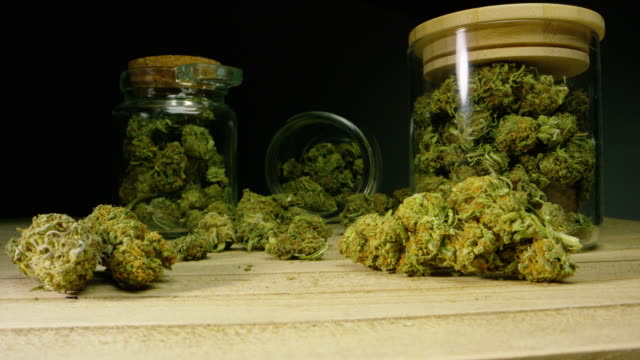
The innovation and development of new cannabis products in the industry are being primarily driven by a combination of changing consumer preferences, advancements in technology, and evolving regulations.
One of the key factors fueling the growth of new cannabis products is the shifting attitudes towards marijuana use.. As more states and countries legalize cannabis for both medical and recreational purposes, there is a growing demand for alternative consumption methods beyond traditional smoking.
Posted by on 2024-06-24

The projected market growth and revenue potential for the cannabis industry in 2024 are certainly promising.. With more and more countries legalizing the use of marijuana for medical and recreational purposes, the industry is expected to see significant expansion over the coming years.
According to various market research reports, the global cannabis market is estimated to reach a value of over $42 billion by 2024.
Posted by on 2024-06-24

Consumer preferences play a crucial role in shaping the cannabis industry, as they influence the products that are developed and the marketing strategies that are implemented.. As consumer tastes evolve and change, companies must adapt to meet these new demands in order to stay competitive in the market.
One of the key impacts of changing consumer preferences on cannabis products is the constant need for innovation.
Posted by on 2024-06-24

In recent years, the cannabis industry has experienced significant growth and expansion as more states legalize the use of marijuana for medical and recreational purposes.. With this rapid growth comes the need for efficient processes and streamlined operations to meet the increasing demand for cannabis products.
Technology and automation play a crucial role in streamlining processes within the cannabis industry by improving efficiency, reducing costs, and ensuring compliance with regulations.
Posted by on 2024-06-24
The forecast for mergers, acquisitions, and partnerships among cannabis companies by 2024 looks promising.. As the cannabis industry continues to grow and evolve, we can expect to see an increase in consolidation as companies look to expand their reach and market share.
With more states legalizing cannabis for both medical and recreational use, the demand for high-quality products is on the rise.
Posted by on 2024-06-24
The cannabis industry is rapidly evolving, with new regulations and compliance requirements being introduced regularly.. As a result, businesses operating in this space are faced with numerous regulatory challenges that can be daunting to navigate.
Posted by on 2024-06-24
The cannabis industry is constantly evolving, with new trends and developments emerging each year.. In order to stay ahead of the game in 2024, it is crucial for businesses to keep up with the latest industry trends and innovations.
One of the key trends that is expected to shape the cannabis industry in 2024 is the continued growth of the market.
Posted by on 2024-06-24
The legalization of cannabis has been a hot topic in recent years, sparking various challenges and controversies. While some argue that legalizing cannabis can bring economic benefits and reduce crime rates associated with the black market, others are concerned about the potential negative effects on public health and safety.
One major challenge surrounding cannabis legalization is determining the appropriate regulatory framework. There are ongoing debates about how to regulate the production, distribution, and sale of cannabis to ensure it is done in a safe and responsible manner. Additionally, there are concerns about preventing underage access to cannabis and ensuring that driving under the influence of marijuana is effectively addressed.
Another controversy surrounding cannabis legalization is its impact on public health. Some studies have suggested that regular use of cannabis can have negative effects on cognitive function and mental health, particularly among young people. There are also concerns about potential addiction issues and the long-term consequences of using cannabis regularly.
Furthermore, there are ethical considerations surrounding cannabis legalization, such as addressing social justice issues related to past convictions for minor drug offenses. Many advocates argue that legalizing cannabis can help rectify some of these injustices by expunging criminal records and creating opportunities for communities disproportionately affected by drug laws.
Overall, the challenges and controversies surrounding cannabis legalization highlight the need for thoughtful consideration and careful planning. It is important to weigh the potential benefits against the risks and take into account various factors such as public health, safety, social justice, and economic implications. By addressing these issues proactively through evidence-based policies and regulations, we can work towards creating a more balanced approach to cannabis legalization that serves the best interests of society as a whole.
The ongoing debate surrounding the legalization of cannabis has sparked conversations on both sides of the spectrum. As advocates for legalization argue for the potential benefits, opponents raise concerns about the drawbacks that may come with such a decision.
On one hand, proponents of legalizing cannabis point to its potential economic benefits. By regulating and taxing the sale of cannabis, governments have an opportunity to generate revenue that can be used for public services and programs. Additionally, legalizing cannabis could lead to job creation in the industry, providing opportunities for entrepreneurs and workers alike.
Furthermore, supporters argue that legalizing cannabis could help reduce crime rates associated with illegal drug trafficking. By bringing cannabis sales into a regulated market, law enforcement resources could be redirected towards more serious crimes.
However, opponents of legalization express concerns about the potential drawbacks that may come with making cannabis more accessible. One major concern is the impact on public health, as some worry about increased rates of addiction and substance abuse if access to cannabis is expanded.
Additionally, critics fear that legalizing cannabis could have negative effects on society as a whole. They worry about impaired driving incidents increasing due to more people using cannabis recreationally. There are also concerns about the impact on youth if cannabis becomes more readily available.
Overall, it is clear that there are valid arguments on both sides of the debate regarding the legalization of cannabis. While proponents highlight potential economic benefits and reduced crime rates as reasons to support legalization, opponents raise valid concerns about public health and societal impacts. Ultimately, further examination and research are needed to fully understand the potential benefits and drawbacks of legalizing cannabis.
The legalization of cannabis has been a hot topic in recent years, with many countries and states taking the steps to decriminalize or regulate the use of this controversial plant. While there are still debates on the potential risks and benefits of cannabis use, there have been some successful case studies that highlight the positive outcomes of legalization policies.
One such example is in Colorado, where cannabis was legalized for recreational use in 2012. Since then, the state has seen a significant decrease in crime rates related to drug offenses, as well as an increase in tax revenue from cannabis sales. This has allowed for investments in education and public health programs, benefiting the overall well-being of the community.
Another successful implementation can be seen in Uruguay, which became the first country in the world to fully legalize cannabis in 2013. The government regulates production and distribution of cannabis through licensed dispensaries, ensuring quality control and safety standards are met. This has led to a reduction in illegal drug trafficking and improved access to medical marijuana for patients in need.
These examples demonstrate that with proper regulation and enforcement, cannabis legalization can lead to positive social and economic outcomes. By learning from these success stories, other regions can develop effective policies that prioritize public health and safety while also respecting individual freedoms.
In conclusion, while there are still challenges ahead for those advocating for cannabis legalization, it is clear that there are tangible benefits to be gained from implementing thoughtful and well-designed policies. As more jurisdictions consider taking steps towards decriminalization or regulation of cannabis use, it is important to look at these case studies as models for success.